Last Updated: October 23, 2026
Quick Summary
Pre workout ingredients and dosages determine whether a formula delivers real results or marketing hype. Effective formulas combine 5-8 core compounds, caffeine 150-300 mg, beta-alanine 3-6 grams, citrulline 6-8 grams, and creatine 3-5 grams, at research-backed doses with transparent labeling.
- Caffeine dosing is 3-6 mg per kilogram of body weight, roughly 245-490 mg for a 180-pound athlete, taken 30-60 minutes before training.
- Beta-alanine requires daily dosing of 3-6 grams to build muscle carnosine levels, with effects appearing after 2-4 weeks of consistent use.
- Proprietary blends hide individual ingredient amounts; compare blend totals to research doses to identify underdosed formulas.
- Caffeine from all sources including guarana, green tea extract, and yerba mate must be added together and kept below 400 mg daily.
- Third-party certifications like NSF Certified for Sport and Informed Sport verify label accuracy and test for banned substances.
Table of Contents
- What Pre-Workout Supplements Are and How They Work
- Core Pre-Workout Ingredients and Their Functions
- Pre-Workout Caffeine Dosage and Timing
- Beta-Alanine Dosage for Exercise Performance
- Citrulline Dosage for Muscle Pump and Circulation
- How to Read a Pre-Workout Supplement Label
- Safety, Contraindications, and Dose Adjustments
- Frequently Asked Questions
What Pre-Workout Supplements Are and How They Work
Pre-workout supplements are powders or beverages designed to enhance performance, energy, and focus before training, with effectiveness determined by the right pre workout ingredients and dosages.
They support muscle contractions, blood flow, energy production, and neuromuscular function, helping you train harder with greater mental clarity.
A 2019 analysis of 100 top-selling multi-ingredient pre-workout supplements found that the average product contained 18.4 ingredients, with 8.1 hidden inside proprietary blends. That's the problem most athletes face: you don't know what you're taking or whether the doses are meaningful. The pre-workout market is projected to grow from $22.48 billion in 2026 to $31.53 billion by 2031, driven by serious athletes, military personnel, and first responders who refuse to compromise on transparency or results.
Core Pre-Workout Ingredients and Their Functions
The most effective formulas combine 5-8 core compounds at research-backed pre workout ingredients and dosages rather than throwing 25 ingredients at the wall.
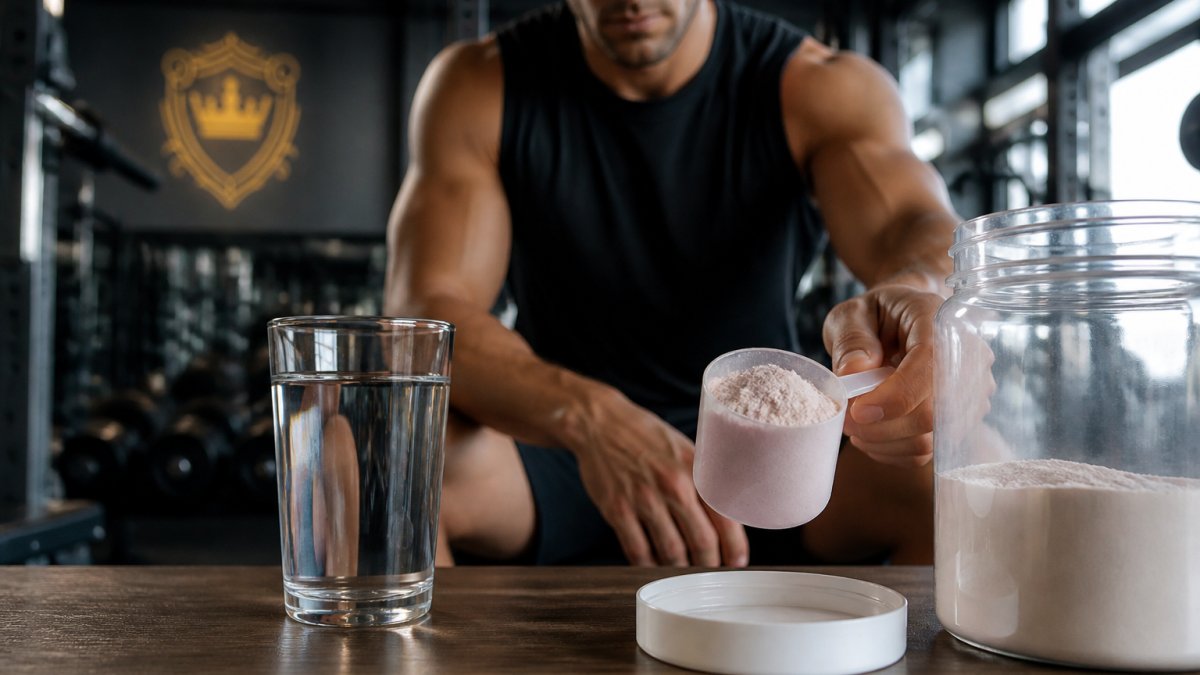
These fall into distinct categories: stimulants for energy and focus, nitric oxide boosters for blood flow and pump, amino acids for endurance and recovery, and creatine precursors for strength.
Caffeine for Energy and Focus
Caffeine is the most researched stimulant in sports nutrition. It blocks adenosine receptors in the brain, reducing perceived fatigue and increasing alertness, and enhances power output, strength, and endurance.
The challenge is dose: too little and you feel nothing, too much brings jitters, anxiety, and a crash.
Beta-Alanine for Muscular Endurance
Beta-alanine increases muscle carnosine levels, which buffer hydrogen ions during high-intensity exercise so muscles sustain effort longer before fatigue, especially valuable in the 6-15 rep range, where metabolic acidosis is the limiting factor.
The typical dose is 3-6 grams daily for consistent effect. A common side effect is paresthesia, a harmless tingling that occurs above 1 gram and subsides within 30 minutes.
Citrulline for Blood Flow and Muscle Pump
L-citrulline (or citrulline malate) increases nitric oxide production, dilating blood vessels so more oxygen and nutrients reach working muscles, enhancing endurance and the coveted "pump."
Effective doses are 6-8 grams of L-citrulline or 8-10 grams of citrulline malate per serving; the malate form's malic acid may add fatigue-buffering benefits. Research shows improved strength and endurance performance at these dosages.
Creatine for Strength and Performance
Creatine monohydrate increases muscle phosphocreatine stores, supporting ATP regeneration during intense effort and improving strength, power, and muscle growth over time.
Standard dosing is 3-5 grams daily. An optional loading phase of 20 grams per day split across 4 doses for 5-7 days saturates muscles faster; otherwise saturation occurs within 3-4 weeks. Consistent daily intake is required, occasional use produces no benefit.
BCAAs and L-Tyrosine for Recovery and Focus
Branched-chain amino acids (BCAAs), leucine, isoleucine, and valine, support muscle protein synthesis and reduce exercise-induced fatigue. L-tyrosine is a dopamine and norepinephrine precursor that supports focus and reduces perceived exertion.
Typical BCAA dosing is 5-10 grams per serving, with leucine at 40-50% of the total; L-tyrosine is effective at 500-2,000 mg. Both work best within a complete amino acid profile rather than in isolation.
Pre-Workout Caffeine Dosage and Timing
Caffeine timing determines whether you get sustained energy or a mid-workout crash. The optimal window is 30-60 minutes before training, aligning peak blood levels with your hardest sets.
Dose depends on body weight and tolerance. A general starting point is 3-6 mg per kilogram of body weight, roughly 245-490 mg for a 180-pound athlete.
For shift workers and first responders, consistency matters more than perfection. Valor BioLabs, LLC formulates products like Nitric Shock Pre-Workout Powder with 290 mg of caffeine per serving, delivering sustained energy without the crash that derails focus mid-call or mid-operation.

Beta-Alanine Dosage for Exercise Performance
Beta-alanine requires daily dosing to build muscle carnosine levels, one dose per week won't work.
If your pre-workout has 3 grams of beta-alanine, you need another 2-3 grams from a second source to hit the research-backed dose.
Expect 2-4 weeks before noticeable gains, this is a cumulative effect, and consistency beats sporadic mega-doses.
Citrulline Dosage for Muscle Pump and Circulation
The effective dose is 6-8 grams of L-citrulline or 8-10 grams of citrulline malate per serving, taken 30-60 minutes before training. This reliably increases nitric oxide and improves blood flow metrics in research.
Doses below 3 grams are unlikely to produce noticeable effects. Many commercial pre-workouts underdose citrulline to cut costs, so if the amount isn't specified, it's likely underdosed or hidden in a proprietary blend.
Citrulline pairs well with beetroot juice or nitrates for additive blood-flow benefits, though the pre-workout dose alone suffices for most athletes.
How to Read a Pre-Workout Supplement Label
A transparent label lists every ingredient with its dose in milligrams or grams, no proprietary blends hiding individual amounts. But spotting a blend isn't enough; the useful skill is doing the math to prove an ingredient is underdosed and to catch unlabeled stimulants.
Nitric Shock Pre-Workout Powder (Fruit Punch) →
Do the proprietary-blend arithmetic
A proprietary blend gives one total weight and ingredients in descending order by weight, which is enough to bound each ingredient.
Run the same check on every blend: if the total blend weight is below the effective dose of its most important ingredient, the product is underdosed by definition.
Find the hidden stimulant total
Caffeine isn't the only stimulant in pre-workouts, and labels rarely add them up. Watch for these, each contributing to total stimulant load:
- Caffeine anhydrous and caffeine citrate, both count as caffeine.
- Guarana, green tea extract, yerba mate, and kola nut, plant sources that carry caffeine or related methylxanthines and are often listed as "energy" or "focus" ingredients rather than caffeine.
- Theobromine and theophylline, milder methylxanthines that stack with caffeine.
Add caffeine from every source: 200 mg caffeine anhydrous plus 100 mg from guarana is a 300 mg product, not 200 mg. If a botanical's caffeine isn't disclosed, assume the worst and treat the product as higher-stimulant than stated.
Check ingredient order against effective doses
Ingredients are listed heaviest first, use that as a sanity check. If caffeine appears above citrulline, the formula carries more caffeine than citrulline, signaling a stimulant-forward product. If beta-alanine appears last in a long list, its dose is likely trivial. Order alone doesn't prove a dose, but it exposes formulas that are mostly filler and stimulant.
Look for overlapping ingredients across products
Many athletes stack a pre-workout with separate creatine, beta-alanine, or nitric-oxide products. That's fine, but one tub's label isn't your total intake, add up caffeine, beta-alanine, and citrulline across everything you take daily. A 3 g pre-workout plus a 3 g standalone hits the 6 g beta-alanine upper end without any single product looking excessive.
Verify third-party testing and certification
Look for NSF Certified for Sport, Informed Sport, or Informed Choice notation. These programs test for banned substances and, for NSF Certified for Sport, verify label accuracy. Certification doesn't guarantee effective dosing, but it means the label is closer to what's in the tub, a meaningful signal for athletes subject to drug testing.
| Element | What to Look For | Red Flag |
|---|---|---|
| Ingredient list | Individual doses listed for each ingredient | Proprietary blend or missing doses |
| Blend math | Blend total at least equals the effective dose of its key ingredient | Blend total below the effective dose of the first-listed ingredient |
| Caffeine | 150-300 mg per serving, all sources added | Caffeine from botanicals not disclosed; total above 400 mg |
| Beta-alanine | 3-6 grams per serving | Below 2 grams or hidden in a blend |
| Citrulline | 6-8 grams L-citrulline (or 8-10 g malate) | Below 3 grams or hidden in a blend |
| Creatine | 3-5 grams per serving | Below 2 grams or hidden in a blend |
| Stimulant analogs | None | DMHA, DMAA, higenamine, or synephrine without disclosure |
| Third-party testing | NSF Certified for Sport, Informed Sport, or Informed Choice | No certification listed |
Safety, Contraindications, and Dose Adjustments
Pre-workout supplements are generally safe at recommended doses for healthy adults, but the ingredients that make them effective carry the most caveats, depending on your health history, medications, and existing caffeine intake. Here are concrete thresholds and decision rules.
Caffeine: thresholds and who should avoid it
Federal dietary guidance treats up to 400 mg of caffeine per day as not associated with adverse effects in healthy adults. That's a daily ceiling, not a per-serving target, and includes coffee, tea, energy drinks, and supplements, a single 250-300 mg pre-workout serving can consume most of that budget before your morning coffee.
Caffeine is not appropriate, or requires clinician guidance, in several situations:
- Uncontrolled hypertension. Caffeine raises blood pressure acutely. If your blood pressure is not controlled, discuss stimulant use with your clinician first.
- Arrhythmia or a history of cardiac events. Palpitations and increased heart rate are common caffeine effects and are a real concern with existing rhythm disorders.
- Anxiety disorders and panic history. Caffeine can amplify anxiety symptoms and disrupt sleep, both of which worsen the underlying condition.
Creatine and kidney function
Creatine monohydrate is safe for healthy kidneys at standard doses. People with kidney disease, a single kidney, or medications affecting kidney function should consult a clinician first, impaired kidneys may handle the creatine load differently. If in doubt, get your kidney function checked before starting.
Beta-alanine, tingling, and pregnancy
Paresthesia, the tingling from beta-alanine, is harmless and fades within 30 minutes; it's more pronounced above 1 gram at once, so splitting the daily 3-6 g dose reduces it. Research on beta-alanine during pregnancy and breastfeeding is limited, so avoid it until more data exists.
Nitric oxide boosters and blood pressure
Citrulline and nitrate-containing ingredients like beetroot extract modestly lower blood pressure by dilating blood vessels, the mechanism behind the pump, but also why they can interact with blood-pressure medications, nitrates, and PDE5 inhibitors. If you take medication for blood pressure or erectile dysfunction, talk to your clinician first.
Stimulant analogs and ingredients to avoid
Some ingredients carry risk that outweighs any plausible benefit. DMAA and DMHA are stimulant analogs that have drawn regulatory attention and should be avoided. Higenamine and synephrine are adrenergic stimulants with limited safety data at supplement doses. Yohimbine can cause anxiety, elevated heart rate, and blood pressure spikes.
Dose adjustments by body weight and tolerance
Caffeine dosing scales with body weight: 3-6 mg per kilogram, or roughly 245-490 mg for a 180-pound athlete, wide enough that tolerance matters as much as weight.
Caffeine tolerance develops within 2-3 weeks of daily use, so your pre-workout dose must account for baseline tolerance. A 1-week caffeine reset every 8-12 weeks restores sensitivity, though plan around the withdrawal headache in the first 48 hours.
Evidence quality: not all doses are equally supported
Dose recommendations vary in research support. Caffeine, creatine, beta-alanine, and citrulline have substantial evidence behind their effective ranges; L-tyrosine, taurine, and BCAAs have thinner or mixed evidence.
Research on multi-ingredient pre-workout supplement acute effects indicates that acute supplementation improved upper-body resistance exercise performance and reduced perceived exertion in trained athletes. However, evidence quality assessments for pre-workout dosing note that optimal dose recommendations vary by individual, body weight, and training goal.
If you train in the evening, reduce caffeine dose by 25-50% compared to morning sessions, or choose a stimulant-free formula. Caffeine has a half-life of roughly 5 hours, so a 200 mg dose taken at 6 p.m. still leaves about 100 mg in your system at 11 p.m., which is enough to delay sleep onset and reduce sleep quality.
For first responders and shift workers, timing and total daily load matter more than any single dose. A pre-workout before a 24-hour shift differs from one before a gym session, and cumulative caffeine across a long shift adds up. Adjust doses and timing to your schedule, and when in doubt about an interaction or health condition, ask a clinician or pharmacist first.
Frequently Asked Questions
What are the most common pre-workout ingredients with the strongest evidence?
Caffeine, beta-alanine, L-citrulline, and creatine monohydrate have the most robust research supporting their effects on exercise performance. A 2019 analysis of 100 top-selling multi-ingredient pre-workout supplements found an average of 18.4 ingredients per product, but not all are equally studied. Caffeine improves alertness and endurance; beta-alanine supports muscular endurance; L-citrulline enhances blood flow and muscle pump; and creatine increases strength and power output. When evaluating a pre-workout supplement, prioritize products that feature these core ingredients at evidence-based dosages rather than proprietary blends that hide ingredient amounts.
How much caffeine should you take in a pre-workout supplement?
Most effective pre-workout formulas contain 150-300 milligrams of caffeine per serving. The optimal dose depends on your body weight, caffeine tolerance, and training goals. Those new to caffeine should start at 100-150 mg; regular users can tolerate 200-300 mg. Taking more than 400 mg in a single dose increases the risk of jitters, elevated heart rate, and sleep disruption. If you consume caffeine from other sources (coffee, tea, energy drinks), account for that total daily intake to avoid exceeding safe limits. Timing matters too: consume your pre-workout 30-60 minutes before training to align peak caffeine levels with your workout.
How can you tell if a pre-workout ingredient is underdosed?
Check the supplement label for specific ingredient amounts listed in milligrams or grams. An underdosed ingredient falls below the range shown to be effective in peer-reviewed research. For example, beta-alanine requires 3-6 grams per serving to support endurance; if a label lists only 500 mg, it is underdosed. L-citrulline needs 6-8 grams for meaningful blood flow benefits; less than 3 grams is insufficient. Proprietary blends hide individual ingredient amounts, making it impossible to know if key nutrients are present in effective doses. Transparent labels show each ingredient's exact amount, allowing you to verify whether the formula matches research-backed dosages. Valor BioLabs' Nitric Shock Pre-Workout Powder lists all 23 nutrients with full transparency, so you know exactly what you're taking and in what amounts.
Are proprietary blends safe or effective?
Proprietary blends are legal but problematic for transparency and efficacy. They allow manufacturers to hide the individual amounts of ingredients behind a total blend weight, making it impossible to know if each nutrient is dosed effectively. In a 2019 analysis of 100 top-selling multi-ingredient pre-workout supplements, an average of 8.1 ingredients per product were included in proprietary blends. This practice prevents you from verifying whether ingredients are present in research-backed doses or simply token amounts. While proprietary blends are safe (they still contain approved ingredients), they sacrifice transparency. Clean-label formulas that disclose every ingredient and its exact dose give you confidence that you're getting effective amounts of proven nutrients, not fillers or underdosed actives.
How late is too late to take pre-workout before bed?
Avoid taking pre-workout within 6-8 hours of bedtime if it contains caffeine. Caffeine has a half-life of 5-6 hours, meaning half the dose is still active in your system 5-6 hours after consumption. Taking a pre-workout with 200 mg of caffeine at 4 PM means roughly 100 mg is still circulating at 9-10 PM, which can disrupt sleep quality and delay sleep onset. For shift workers and first responders managing irregular schedules, timing pre-workout intake around your actual sleep window is critical. If you train in the evening, choose a stimulant-free pre-workout or one with lower caffeine content (under 100 mg), or schedule your workout earlier in the day to allow caffeine to clear before rest.
What is the difference between pre-workout powders and ready-to-drink formulas?
Pre-workout powders mix with water and allow you to control serving size and flavor, making them cost-effective and customizable. Ready-to-drink pre-workouts come pre-mixed in bottles or cans, offering convenience but less flexibility and typically higher per-serving cost. Powders like Valor BioLabs' Nitric Shock Pre-Workout Powder ($37.99) and VOLT Energy Powder ($32.99) let you adjust the dose based on your body weight, caffeine tolerance, and training intensity. Ready-to-drink formats suit athletes on the go or those who prefer not to mix. Both formats can deliver effective ingredient dosages if formulated with transparency and research-backed amounts. Choose based on your lifestyle: powders for customization and value, ready-to-drink for convenience.
How many scoops of pre-workout should you take?
Follow the serving size on the product label, typically 1-2 scoops. The recommended serving is based on the total formula design and ingredient dosages. Taking more than the recommended amount increases your risk of side effects like tingling (from excess beta-alanine), elevated heart rate (from excess caffeine), or digestive upset. Your body weight, training intensity, and supplement experience should guide your choice: lighter individuals or those new to pre-workout may start with half a scoop or one scoop; heavier athletes or experienced users may use the full 2-scoop serving. Never exceed the label's maximum recommended dose. If you're unsure, start conservatively and assess your response before increasing the amount.
