Table of Contents
- Common Pre-Workout Side Effects and Why They Happen
- Pre-Workout Caffeine Side Effects and Stimulant Overload
- Pre-Workout and Sleep Problems: Timing and Long-Term Impact
- Pre-Workout and Diarrhea: Ingredient Culprits and Prevention
- Cardiovascular Risks: Blood Pressure, Heart Rate, and Vascular Stress
- How to Choose a Safe Pre-Workout: Ingredient Transparency and Dosing
- What to Do If You Experience a Reaction
- Frequently Asked Questions
Last Updated: October 16, 2026
Common Pre-Workout Side Effects and Why They Happen
Pre-workout supplements are not one product; they are a category of multi-ingredient formulas, and the side effects you feel depend almost entirely on which ingredients are in the scoop and at what dose.
Caffeine (and other stimulants). Caffeine blocks adenosine receptors, which normally promote relaxation and sleep pressure (ncbi.nlm.nih.gov). At 150-300 mg per serving it sharpens focus; above your personal tolerance it produces jitters, anxiety, restlessness, and a racing heart. Caffeine also raises blood pressure and heart rate acutely.
Beta-alanine. This amino acid buffers acid in muscle and is one of the few ingredients with solid performance evidence, typically at 3.2-6.4 g per day.
Niacin (vitamin B3). Niacin at higher doses causes flushing, a sudden red, warm, itchy feeling across the skin. It is generally benign but uncomfortable, and it can be mistaken for an allergic reaction.
Nitric oxide boosters (citrulline, arginine, beetroot). These are included to widen blood vessels and improve blood flow. For most people this is well tolerated, but the resulting drop in vascular resistance combined with stimulants can produce headaches, lightheadedness, or a noticeable drop in blood pressure after training.
Creatine. One of the most studied sports ingredients, creatine is generally well tolerated. The main side effects are water retention and, at high single doses, gastrointestinal discomfort.
Magnesium, sweeteners, and B vitamins. Magnesium above roughly 400 mg per dose has a laxative effect. Sugar alcohols like sorbitol and xylitol draw water into the colon and cause loose stools. High-dose B vitamins can irritate the stomach in sensitive people.
The practical takeaway: when you have a reaction, do not blame the product generically. Identify the ingredient most likely responsible, check its dose against the ranges above, and adjust from there. That single habit resolves more side-effect problems than switching brands blindly.
Pre-Workout Caffeine Side Effects and Stimulant Overload
Caffeine is the primary active ingredient in most pre-workout supplements, and it's also the most common source of adverse reactions. A typical pre-workout contains 150-300 mg of caffeine per serving. For context, a cup of brewed coffee contains roughly 95-200 mg. When combined with your baseline caffeine consumption, this can quickly push you into territory where stimulant side effects become noticeable.
Stimulant overload manifests as jitters, anxiety, restlessness, and a racing heart. These symptoms occur because caffeine blocks adenosine receptors in your brain, preventing the signals that tell you to rest. At moderate doses, this creates alertness and focus. At higher doses, it creates agitation and physical tremors. Some people are naturally more sensitive to caffeine due to genetics, body weight, and how quickly their liver metabolizes the compound.
The real problem emerges when you don't account for cumulative caffeine load. If you drink coffee at 6 a.m., have a pre-workout at 5 p.m., and then consume another caffeinated beverage, you're creating a compounding effect. Your nervous system stays in a heightened state for hours, which disrupts sleep, increases anxiety, and elevates resting heart rate.
Pre-Workout and Sleep Problems: Timing and Long-Term Impact
Pre-workout caffeine disrupts sleep when taken within 6-8 hours of bedtime. Caffeine has a half-life of 5-6 hours, meaning that a 200 mg dose taken at 2 p.m. still leaves 100 mg in your system at 8 p.m. For shift workers and first responders managing irregular schedules, this timing problem becomes especially acute.
Chronic sleep disruption from pre-workout use compounds over time. Poor sleep reduces muscle recovery, impairs cognitive function, and increases cortisol levels. If you're using pre-workout to train harder but sacrificing sleep quality in the process, you're working against your own recovery. The performance gains from the supplement are negated by the losses from inadequate rest.
Long-term reliance on stimulants also creates tolerance. Your body adapts to regular caffeine exposure by upregulating adenosine receptors. Over weeks and months, the same dose produces diminishing effects. Users then increase their intake to achieve the same stimulus, entering a cycle of escalating consumption. This is particularly problematic for people in high-stress occupations who already face sleep challenges.
Pre-Workout and Diarrhea: Ingredient Culprits and Prevention
Digestive distress from pre-workout supplements typically originates from three ingredients: magnesium, artificial sweeteners, and high doses of B vitamins. Magnesium is included to support muscle relaxation and blood pressure regulation, but it has a well-documented laxative effect, especially at doses above 400 mg. Artificial sweeteners like sorbitol and xylitol are poorly absorbed in the small intestine and draw water into the colon, triggering loose stools.
Beta-alanine, while not directly causing diarrhea, can increase stomach acid production and create general digestive irritation. When combined with high caffeine doses, this irritation becomes worse. High-dose niacin (vitamin B3) causes flushing and can irritate the digestive tract in sensitive individuals.
Prevention starts with understanding your own tolerance. Take your first dose on a day when you're not training intensely, so you can assess how your stomach responds without the added stress of exercise. If digestive issues occur, try taking the supplement with food or splitting the dose into two smaller servings. Some people find that switching to a product formulated for sensitive digestion, or one without magnesium, resolves the problem entirely.
Nitric Shock Pre-Workout Powder (Fruit Punch) →
Cardiovascular Risks: Blood Pressure, Heart Rate, and Vascular Stress
Pre-workout supplements elevate blood pressure and heart rate through two mechanisms: direct stimulant effects and nitric oxide boosters. Caffeine and other stimulants increase sympathetic nervous system activity, which raises both metrics acutely. Ingredients like arginine and citrulline are included to enhance blood flow and muscle pumps by increasing nitric oxide production, which dilates blood vessels.
For healthy individuals, these changes are temporary and resolve within a few hours. For people with existing hypertension, cardiovascular disease, or those taking medications that affect blood pressure, the risk profile changes significantly. Pre-workout supplements can push blood pressure to dangerous levels, increase the risk of heart palpitations, and in rare cases, trigger vascular events.
Heart palpitations feel like your heart is racing, skipping beats, or pounding heavily in your chest. They're usually harmless but deeply uncomfortable. They signal that your cardiovascular system is under stress from the supplement's stimulant load. If palpitations persist or are accompanied by chest pain, shortness of breath, or dizziness, seek immediate medical attention.
How to Choose a Safe Pre-Workout: Ingredient Transparency and Dosing
The safest pre-workouts share three characteristics: full ingredient disclosure, evidence-based dosing, and minimal proprietary blends. Proprietary blends hide the actual doses of individual ingredients behind a combined total, making it impossible to know if you're getting therapeutic amounts or underdosed components. This lack of transparency is a major red flag.
Look for products that list every ingredient and its exact dose. This allows you to calculate your total caffeine intake and cross-reference each ingredient against published research on safety thresholds. For caffeine, most research supports doses of 3-6 mg per kilogram of body weight as safe for trained individuals. For a 180-pound person, that's roughly 245-490 mg total per day from all sources.
Valor BioLabs, LLC products like Nitric Shock Pre-Workout Powder and VOLT Energy Powder are formulated without proprietary blends, giving you complete visibility into what you're consuming. This transparency extends to dosing: you can see exactly how much caffeine, creatine, beta-alanine, and supporting nutrients you're getting in each serving.

When evaluating a pre-workout, also consider whether the product is third-party tested. Independent testing verifies that the label matches what's actually in the container and screens for contaminants. Many pre-workout supplements contain undisclosed ingredients or dangerous compounds that don't appear on the label.
| Selection Criteria | What to Look For | Why It Matters |
|---|---|---|
| Ingredient Disclosure | Full list with exact doses, no proprietary blends | Prevents accidental overdosing and ingredient interactions |
| Caffeine Content | 150-300 mg per serving, clearly labeled | Allows you to track total daily intake and avoid overload |
| Third-Party Testing | NSF, Informed Choice, or similar certification | Confirms label accuracy and screens for contaminants |
| Supporting Ingredients | Beta-alanine, creatine, electrolytes with evidence | Provides performance benefits without unnecessary fillers |
| Clean Label | No artificial dyes, minimal sweeteners, no banned substances | Reduces risk of digestive upset and unwanted reactions |
What to Do If You Experience a Reaction
How you respond to a pre-workout reaction should match the severity of the symptom, not the product. Use the tiers below to decide whether to self-manage, call a clinician, or seek emergency care.
Tier 1: Mild, expected symptoms (self-care). Tingling from beta-alanine, mild flushing from niacin, jitters, or a slightly elevated heart rate that settles within an hour are usually manageable. Stop the product for the day, drink water, avoid any additional caffeine, and let your body clear it. Light movement can help metabolize caffeine faster.
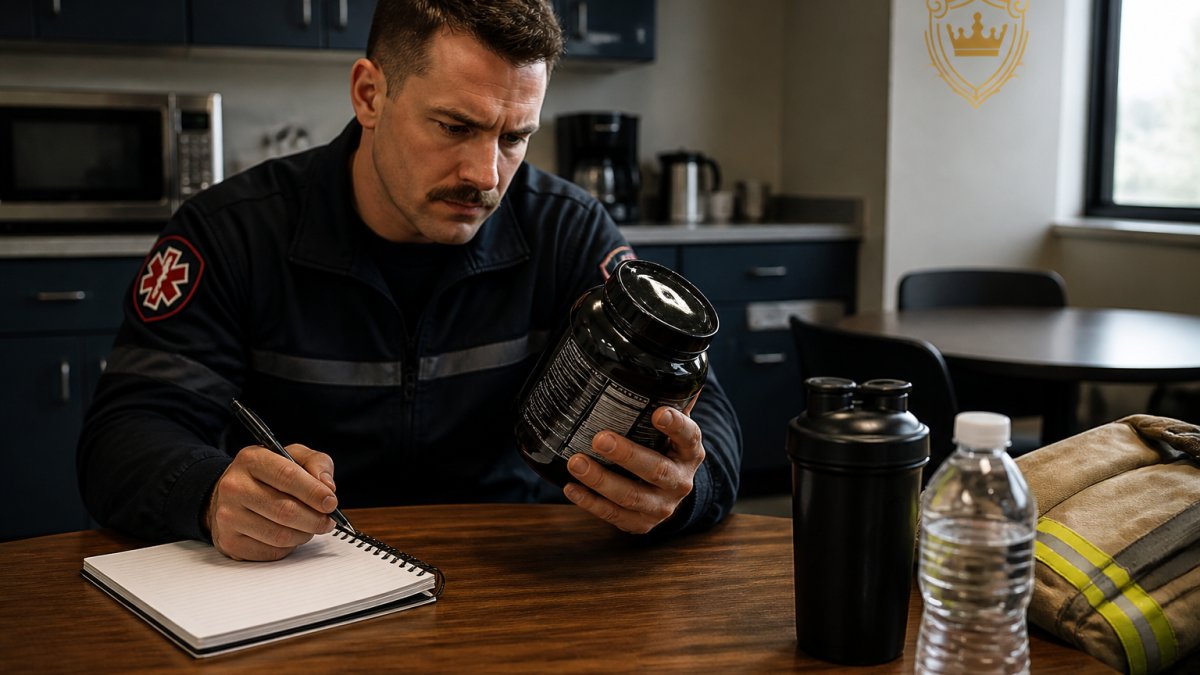
Tier 2: Moderate symptoms (contact a clinician). Headaches that persist, digestive distress, a heart rate that stays elevated well after training, unusual anxiety, or a reaction that feels out of proportion to the dose warrant a call to your doctor or a nurse line. Bring the supplement label, or a photo of it, so the clinician can review exact ingredients and doses.
Tier 3: Emergency warning signs (call 911). Chest pain or pressure, severe shortness of breath, fainting or near-fainting, uncontrolled or sustained heart palpitations, confusion, or a severe allergic reaction such as swelling of the face or throat require immediate emergency care. Do not drive yourself. These symptoms can indicate a cardiac event, and pre-workout stimulants have been implicated in serious cardiovascular incidents in susceptible individuals.
After any reaction, do a structured review. Ask three questions: (1) What was my total caffeine load from all sources that day? (2) Which ingredient is most likely responsible based on the symptom? (3) Did timing, an empty stomach, or dehydration make it worse?
Know who should not use these products without supervision. People with existing hypertension, cardiovascular disease, arrhythmias, anxiety disorders, or sleep disorders, those who are pregnant or breastfeeding, and anyone taking prescription medications that affect blood pressure, heart rate, or mood should talk to a qualified clinician before using a pre-workout.
Frequently Asked Questions
Is it normal to get diarrhea after taking pre-workout supplements?
Digestive irritation from pre-workout supplements is not uncommon, especially with certain ingredients. Magnesium, artificial sweeteners, and high caffeine doses can trigger diarrhea or loose stools in sensitive individuals. Timing matters too, taking pre-workout on an empty stomach or with insufficient water increases risk. Start with half a serving to assess tolerance, stay hydrated, and consider pre-workouts with gentler formulations if digestive issues persist.
Why can't I sleep after taking pre-workout supplements?
Pre-workout supplements containing caffeine and other stimulants can disrupt sleep for 6-12 hours after consumption, depending on sensitivity and timing. Caffeine blocks adenosine receptors in the brain, which signal fatigue. Even doses as low as 100 mg can affect sleep quality in sensitive individuals. For shift workers and athletes training late, avoid pre-workout within 6-8 hours of sleep, or choose stimulant-free alternatives. Caffeine half-life varies by individual metabolism.
What should I do if pre-workout makes me feel sick or causes heart palpitations?
Stop taking the supplement immediately and stay hydrated. Heart palpitations, chest discomfort, dizziness, or severe nausea warrant medical attention, especially if symptoms persist. These can signal excessive stimulant intake, dehydration, or an underlying condition. Seek emergency care if palpitations are severe or accompanied by chest pain or shortness of breath. Inform your healthcare provider about the specific supplement and dose. Some individuals have higher sensitivity to stimulants or undiagnosed conditions that increase risk.
How much caffeine in pre-workout is safe?
The FDA suggests most healthy adults can tolerate up to 400 mg of caffeine daily. Pre-workout supplements typically contain 150-300 mg per serving. If you're also consuming coffee, tea, or energy drinks, total daily intake can exceed safe limits quickly. Account for your body weight, sensitivity, and other caffeine sources when choosing a dose. Start with lower amounts and assess tolerance. First responders and shift workers should be especially cautious about timing and total stimulant load to avoid sleep disruption and performance crashes.